There are only so many things that will put a stop to your hot water in Australia in 2026. It is invariably a matter of the power supply or circuit breaker having tripped, a pilot light extinguished, some fault with the thermostat or heating element, or an issue with the gas or a valve. If you live in Clayton, you might need Clayton hot water repairs. For the most part you can put it right with a few simple and safe checks of your own. Then again, do not make a weekend of it if there is an electrical fault, tank failure or gas leak involved.
I am Mei Lin Tan. There are few household matters to make of a civilised adult a grumpy kettle-hoarder like finding one has to have a cold shower in the morning. So if the hot water is down but the cold is fine, put safety first and then see what type of system you are dealing with. In an Australian home you should be able to tell in short order whether to call in an electrician, a gasfitter or a licensed plumber.
A Quick Overview
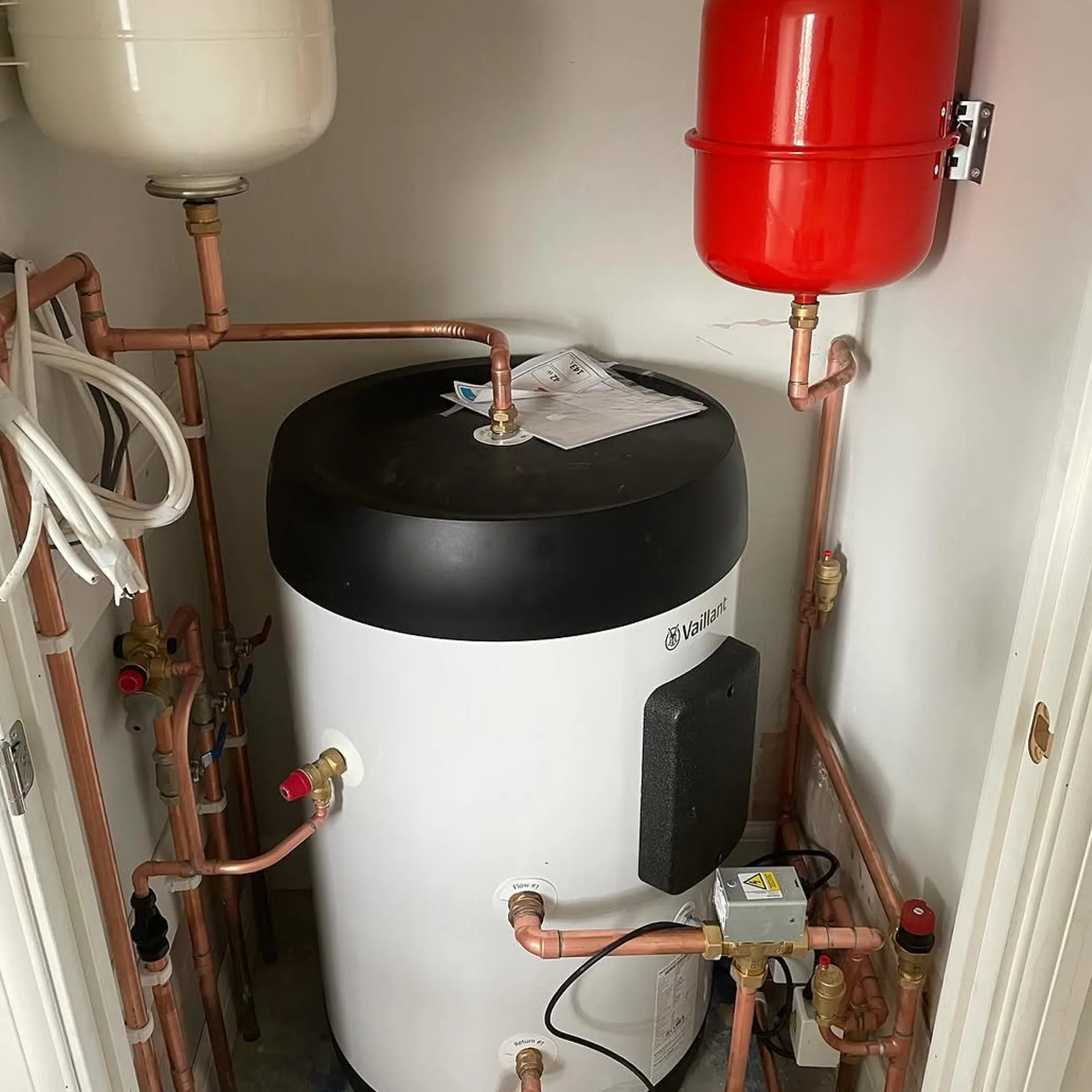
You might as well know what you have before you start rummaging in the laundry wall or side path cupboard. The mistake people make is to think they all operate in the same fashion; they don’t and you will be wasting time for it.
The usual suspects in Australia are electric or gas storage, instantaneous gas, heat pumps or a solar set up with an electric or gas boost. You will come across Thermann, Rinnai and Whirlpool among others but when it comes to fault-finding the brand on the badge is less relevant than the system itself.
What you could be looking at
An electric storage tank is often on off-peak electricity and holds its heated water in a cylinder. With a gas storage model you have a tank and a burner, sometimes a pilot light too. Instantaneous gas does it on demand. Solar and heat pump types are more at the mercy of the weather and their controls and booster functions than one would think.
| System Type | Common Symptom | Likely Cause | Safe First Check |
| Electric Storage | No hot water | Breaker has tripped, bad heating element or thermostat | Look at the isolator and switchboard |
| Gas Storage | Nothing but cold water | Thermostat fault, no gas, pilot out | See if the other gas appliances are working |
| Instant Gas | Hot water is intermittent | Ignition won’t hold, low flow or a power/gas problem | Check the display or batteries/power point |
| Solar Hot Water | Lukewarm | Tempering valve, booster not on or lack of solar gain | Weather and booster settings |
| Heat Pump | Fails to heat | Compressor, sensor or power trouble | Control panel and power supply |
Safety Before Anything Else
Don’t be clever about this. Should you detect smoke or a gas odour, or see water leaking by the electrics, or the tank is hissing and bulging, then you stop. There is no merit in being brave in your thongs next to a damp switch.
In the case of a gas concern, clear the area and shun flames and switches, heeding the emergency protocol from your network or services. If a leak is suspected, refer to the likes of Australian Gas Networks for the official word. Where there is fire or injury, 000 is the number for a gas emergency.
- Provided it is safe, isolate the hot water system at the switch.
- Only close the gas isolation valve if you can get to it without risk.
- Stay away from wet electrics.
- Under no circumstances try to relight a pilot if there is a smell of gas.
- A relief valve running water non-stop is an indication of over-pressure or a failing system.
The Usual Suspects
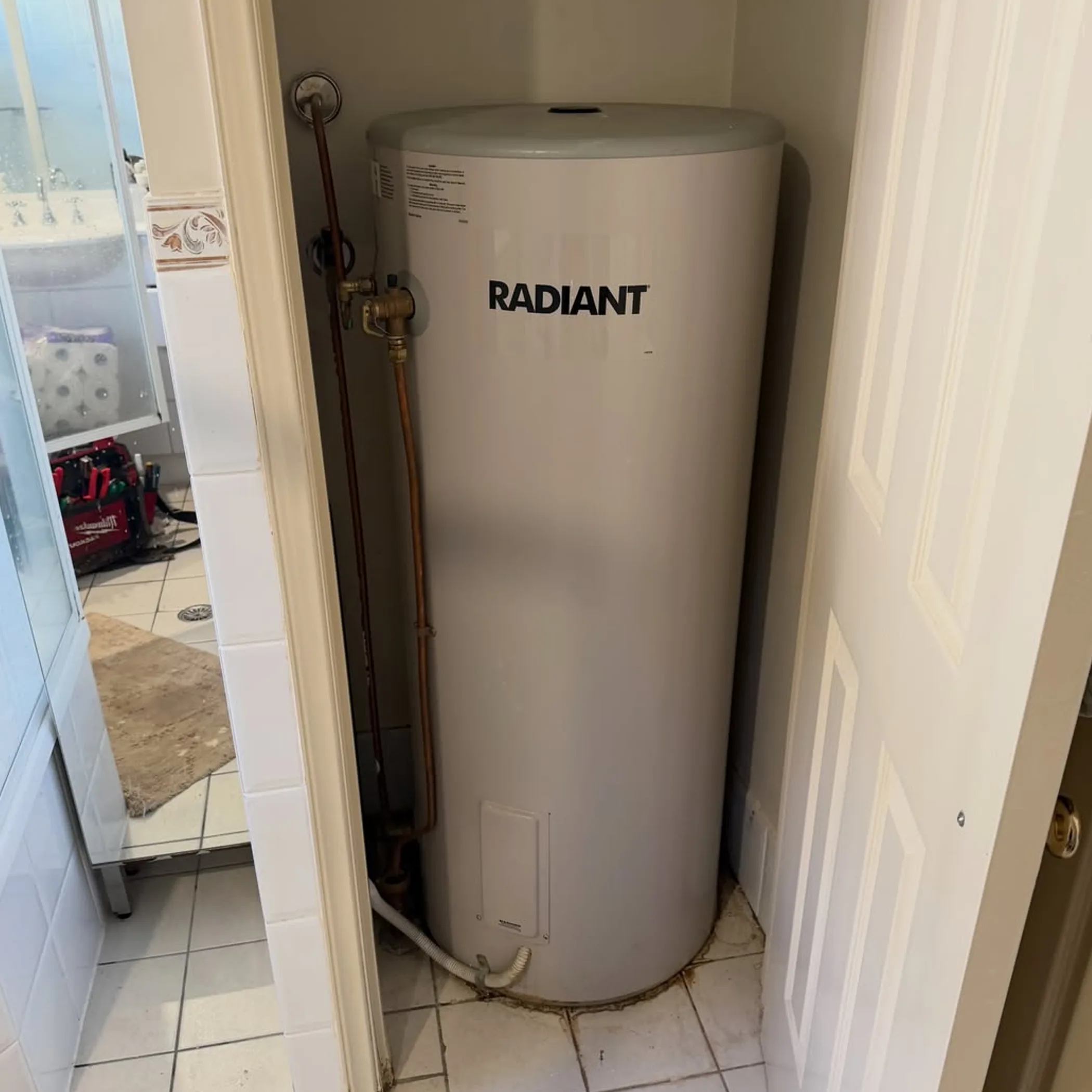
Even on a rough morning, the faults tend to be run of the mill. You just have to pair the symptom with where the weakness is. A total loss of hot water is not the same as lukewarm, nor is it like having the hot run out after a minute in the shower.
My advice is not to let “some hot water” lull you into thinking the system is in good order. Partial results are generally a sign something is on the way out, not that it has mended itself in the night.
Electric System Faults
With an electric system that is not working you are likely to find the cause in a tripped breaker, a heating element or thermostat that has given up, or an off-peak supply and isolator power issue. Older tanks are prone to sediment accumulation which will in time cut down on hot water and take a toll on efficiency.
Gas Unit Faults
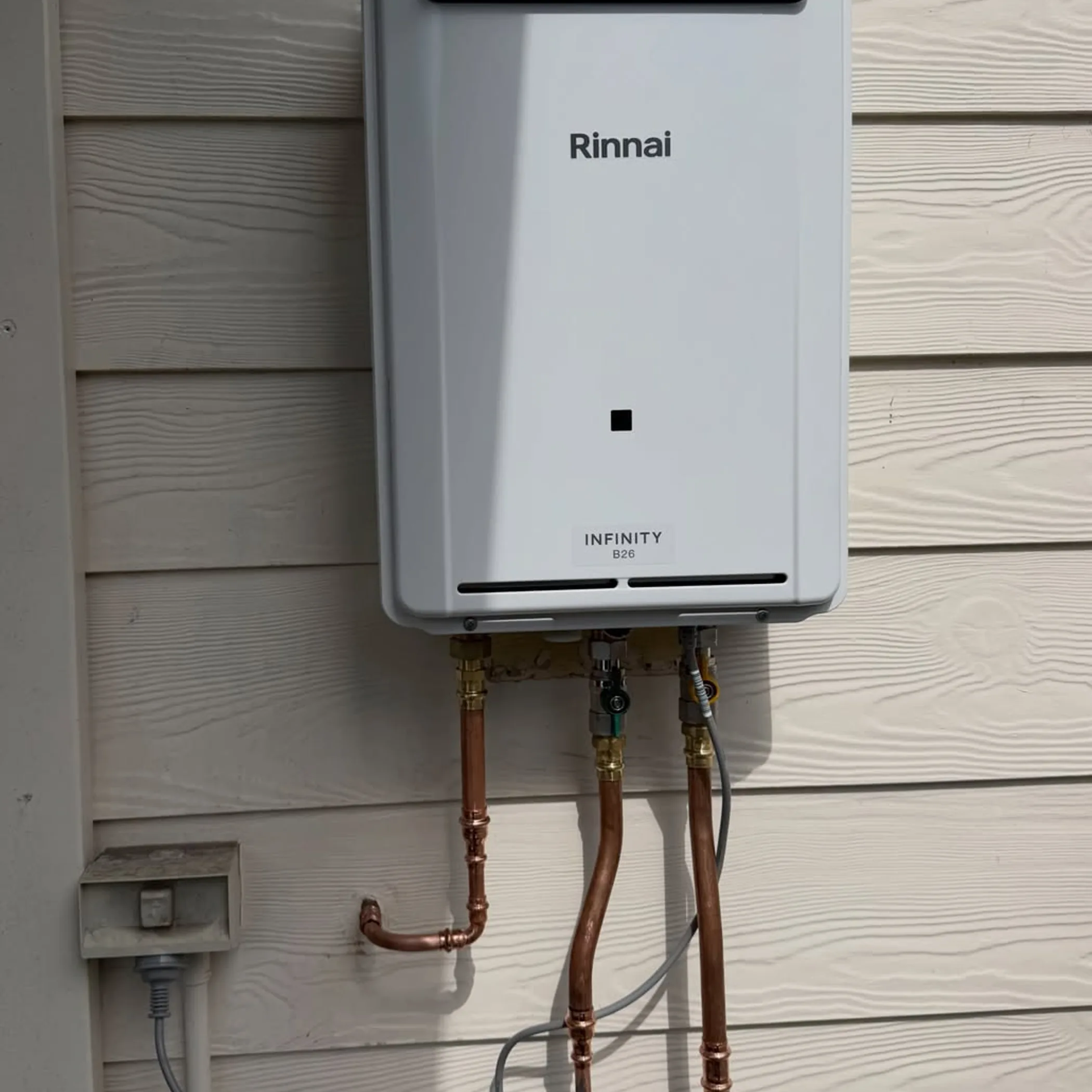
When gas hot water is not to be had, one looks to the usual culprits: an extinguished pilot light or ignition that has failed, a burner fault, a closed isolation valve or empty LPG bottles for those not connected to mains. Then there is the matter of instant gas units; a blocked tap aerator can restrict water flow enough to put a stop to things and catch people unawares.
Solar And Heat Pump Faults
A cloudy spell may have left your solar system wanting, but do not assume it is broken. In some cases the tempering valve is putting in too much cold water or the timers are amiss, or perhaps the booster was turned off. As for heat pumps, they can have trouble with their controls, sensors, compressors or a lack of supply.
Electric Systems: A Proper Check
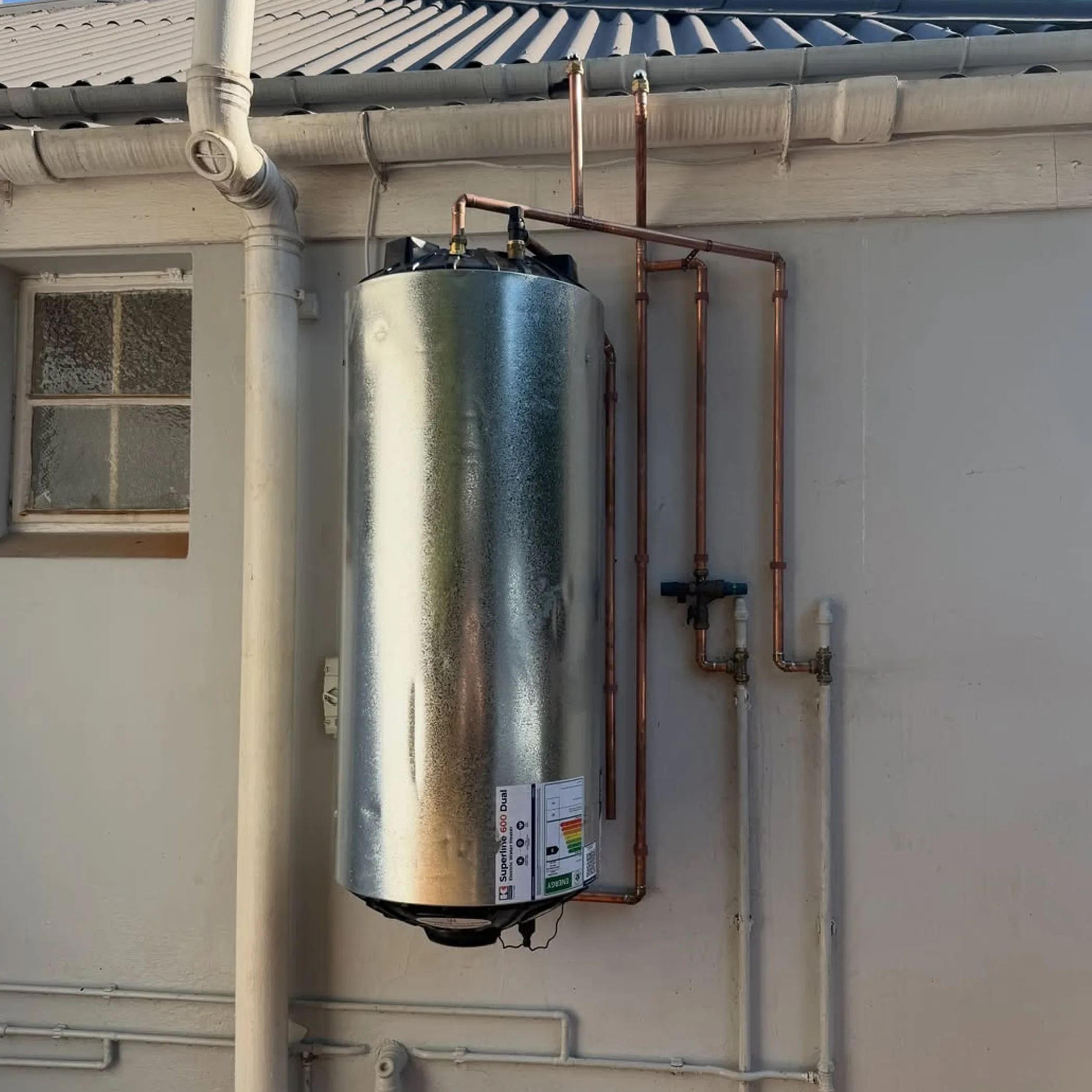
You will find electric systems everywhere in Australia. They have a way of deceiving you because the tank is so quiet even when something has gone wrong. There is no noise or flame to tell you of it, only a thoroughly unhelpful cold shower. Be methodical and start at the switchboard.
Then there is the off-peak timing that is overlooked by most. Should the system be drained early after heating through the night, you might not be aware of any issue till the morrow and the pattern of faults seems random.
The Switchboard
See if a fuse has blown or the circuit breaker for the hot water has tripped. A single reset is all that is called for. Do not persist if it trips once more and put in a call to a pro; it is usually a sign of a problem with the wiring, thermostat or the element.
Isolator And Timer
Make certain the isolator is on where the system has one, as does a controlled load or timer arrangement. A power outage of late could have put the timer settings out. It is a classic reason for a “my new system doesn’t work” complaint post installation, particularly if the commissioning was not done right.
Reset Button
Behind a panel near the thermostat you may come across a reset button on some electric models, though not all have one. Only get at it if the power is isolated and the maker’s instructions say so. Should the button trip repeatedly, consider it a fault and nothing else.
What You Expect And What Happens
After a power reset the inclination is to want the hot water back at once. But a storage tank is going to require a couple of hours to come up to temperature, size and tariff permitting. With a large tank and cold incoming water you can be in for a wait in winter in Canberra and the like.
Dealing With Gas
For all their efficiency gas units need to be handled with care. The first order of business when the hot water is down is not to be a hero but to determine if the water heater is at fault or the gas supply. If other gas appliances such as the cooktop or heater are also out, the problem is of a wider nature. Otherwise the fault is local to the water heater.
Pilot And Ignition
An older storage system may have ceased heating due to the pilot going out. Provided there is no odour of gas and the manufacturer permits, relight it as instructed. Failing to stay lit could be down to the thermocouple, airflow or the gas control valve.
With a Rinnai or other continuous flow type, electronic ignition is the norm. An error on the display or clicking without firing from the unit could point to a burner or power/flow issue. At this point in troubleshooting the guessing game is over.
Water Flow
Do not be put off by instant gas hot water not working and think it is the gas. A clogged filter or shower head or a valve not fully open can deny the burner the flow it needs to fire up. An irritatingly straightforward fault that can have you believing the unit is cactus.
If In Doubt
Any hint of a gas smell, soot, singeing, odd colour to the flame or a hesitation in ignition means you should desist and ring a licensed gasfitter. Emergency services in the event of danger.
Solar And Heat Pumps
They are fine when they are working and somewhat enigmatic otherwise. Being at the mercy of the weather and settings, a dip in performance is not synonymous with a breakdown.
Put simply, a week of little in the way of solar gain, combined with a house full of activity and a booster that has been turned off, will see you with lukewarm water and a tendency to put the onus on the wrong part of the system.
Solar Boost Problems
When the solar hot water is not up to par, one should look at the weather of late and make sure the booster is on. A tempering valve can be at fault too, so the water from the tank may be fine but cooler at the tap. In some cases where only a single tap is involved, do not write it off as a system problem, it could be something local to the outlet.
Heat Pump Basics
You need good airflow and functioning controls for a heat pump to have the power it requires. A control board or sensor issue will keep the fan or compressor from running. While these are efficient systems, they are not the sort of thing to tinker with an optimistic screwdriver; leave the repairs to a licensed technician.
Know When To Call Help
Home troubleshooting is all well and good until it becomes a delay. Once the safe, obvious checks have been made and there is still no hot water, put in a call. For gas work a licensed gasfitter is called for, for water-side faults a licensed plumber. An electrician with the right credentials may be needed if the diagnosis calls for it.
Those with an eye for local service might put “no hot water Canberra” into a search engine or seek out operators in the area like Jetset Plumbing, Plumbcall, Amari Plumbing and Gas Fitting, MP Plumbing and Drainage or EnergyPeople. Your location and the nature of the fault, be it plumbing, gas or electrics, will dictate the right provider. Do ask about same-day repair and whether they are set up to service your unit when weighing your options.
A wider search in Victoria could turn up Clayton hot water repairs for instance. The important thing is to ensure the person who comes out has the licence class to match the fault.
Who This Guide Is For
We have put this together for the homeowner, tenant or property manager in need of a safe preliminary diagnosis before making a booking. It is not for those inclined to open up electrical compartments contrary to instructions or dismantle gas controls. That is a quick way to make a minor matter costly.
Costs, Lifespan And Replacement
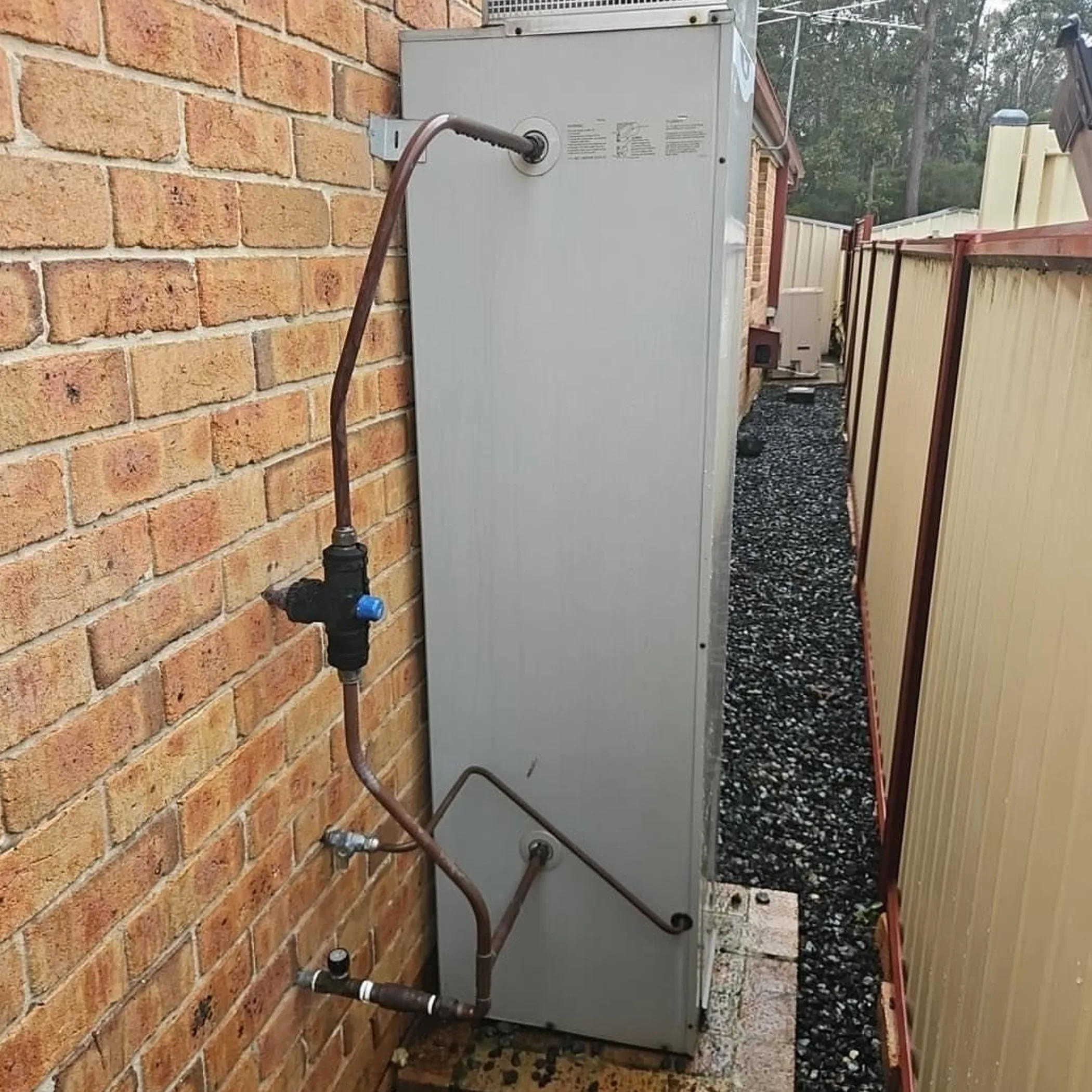
The technicalities are of less interest to most; what is wanted is an idea of whether it is going to be a small fix, a painful one or a complete replacement. We can understand that. Expectations below are just that, rough figures and not a quote, as costs are subject to the brand, labour, parts, state and how urgent it is.
Then there is the matter of timing. Labour rates go up on weekends, public holidays and after hours. A phone estimate may not account for having to get down a narrow side path to an older pipework or an upstairs plant room.
| Issue | Typical Outcome | Rough Cost Expectation | Replace Instead? |
| Reset, breaker or minor valve issue | Simple service visit | AUD 150–350 | Usually no |
| Thermostat or heating element fault | Parts and labour repair | AUD 250–700 | Maybe on an old unit |
| Gas control or ignition fault | Specialist diagnosis and repair | AUD 250–900 | Sometimes |
| Tempering valve replacement | Component replacement | AUD 180–450 | Usually no |
| Tank leak or major internal failure | Full system replacement | AUD 1,200–4,000+ | As a rule yes |
Storage systems have a life of 8 to 15 years or so as a rule of thumb, contingent on usage, maintenance and the quality of the installation and water. Heat pumps and continuous flow are more variable. Should the system be in a state of disrepair, rusty or inefficient, replacing it will likely be the more economical decision in the long run. One need only consult the Australian Bureau of Statistics to put household energy in perspective; they will tell you that for a good many homes water heating is a major consumer of power, and that is why the efficiency of a system is something to consider come time for a replacement. But as energy use patterns are not set in stone, any comparison of upgrade options should be made with the most recent ABS figures to hand.
Stop The Next Breakdown
There is nothing to get excited about with a maintenance plan, then again one does not relish the prospect of boiling the billy for a bucket wash. Some preventive measures will put off 6:30 am emergencies and add years to the system. I have my own preference for a dull check-up to an expensive one, on the same principle as packing for a trip: deal with the practicalities and the rest of the day is simpler.
- Now and then see if there is a steady leak at the relief valve discharge.
- Inspect the tank base for damp ground or signs of rust and staining.
- An outage is a good time to verify the settings on the power isolator, timer and booster.
- Gas units and heat pumps should be serviced as the manufacturer would have it.
- Do as the installer and maker advise when it comes to flushing sediment.
- And let a licensed gasfitter or plumber make sure your safety components, thermostats and tempering valves are in order.
A Final Word of Advice
You may have done an Australia search for a hot water system that is not working and found your way here in the middle of a shampoo. In brief: put safety first, work out what kind of system it is and rule out any supply side problems, but do not let DIY encroach on electrical or gas risk. With electric, solar, heat pump or gas, most faults are quite predictable.
Mei Lin Tan would say that while hot water issues can seem chaotic and pressing they are seldom mysterious. Be realistic about how long things take to heat up and once you have done the easy checks and the fault is no longer user-safe, put in a call to a licensed trade.
Frequently Asked Questions
My New Hot Water System Isn’t Working. What Could Be The Problem?
It could be a case of incorrect commissioning or an isolator left off, or perhaps the timer has not been set right. There may be air in the lines or the gas supply not fully on, or some follow up required from the installer. A new electric system might appear to be dead if it has yet to complete a full cycle due to off-peak timing.
Who Do I Call If My Hot Water System Isn’t Working?
For a general repair a licensed plumber is the answer, a gasfitter for anything to do with a gas appliance and an electrician where the problem is of an electrical nature or so the plumber says. Should there be a smell of gas or any immediate danger such as fire, go to emergency channels without delay.
Where Is The Reset Button For A Hot Water System?
You will find it behind an access panel by the thermostat on certain electric storage systems, though not every model is so equipped. It is brand and model dependent, be it a Rinnai, Whirlpool or Thermann. Power must be isolated before you proceed, in accordance with the manufacturer.
Why Isn’t My Hot Water Coming From My Taps In Australia?
A tripped breaker, a broken heating element or thermostat, an interruption in the gas supply, a closed isolation valve, a tempering valve failure or an accumulation of sediment are all possibilities. When only one tap is at fault it is likely local to the fitting.
Why Do I Have No Hot Water In Canberra After A Cold Night?
In winter the cold incoming water means recovery takes its time and demand in the home is greater, making the lack of hot water in Canberra more apparent. Off-peak tariffs on an electric storage system can be particularly slow to recover, and a solar setup will be putting more reliance on boosting in very cold or overcast conditions.
